Why Alaska Should Be Your Next Unforgettable Adventure

Some places look beautiful in photos. Alaska feels bigger than the frame. A glacier cracking in the distance, a bald eagle lifting off from a spruce tree, a train curving past a river the color of blue glass, these are the moments that make a trip feel larger than everyday life.
Alaska belongs on every traveler’s bucket list because it offers something rare: wild scenery that still feels reachable. You can stand beside tidewater glaciers, watch whales from a ship deck, ride a scenic rail line through mountain country, and end the day with fresh seafood and a warm lodge bed. It can be rugged, but it does not have to be hard.
That mix is what makes Alaska such a rewarding choice. It can be a family trip, a milestone anniversary, a cruise vacation, a photography adventure, or a long-awaited dream finally checked off the list.

Alaska gives you scale you can feel
Alaska is the kind of place that changes your sense of distance. Mountains look close until you realize they are miles away. Glaciers appear still until a chunk of ice breaks loose and crashes into the water. A quiet bay can suddenly fill with the sound of a whale surfacing.
That scale is part of the magic. In many destinations, the scenery is a backdrop. In Alaska, it becomes the main event.
Glaciers are one of the biggest reasons travelers fall in love with the state. Places like Glacier Bay, Kenai Fjords, and Prince William Sound give visitors a chance to see icefields, fjords, and tidewater glaciers in dramatic settings. Some people experience them from a cruise ship. Others take smaller day boats that can move closer into coves and narrow channels. Both can be unforgettable.
The mountains bring their own pull. Denali, the tallest peak in North America, is the best-known name, but it is far from the only showstopper. The Alaska Range, the Chugach Mountains, and the coastal peaks all create views that feel cinematic without needing any filter.
Alaska also has a way of slowing travelers down. A simple moment, like watching fog lift off a river or seeing the midnight sun hang low over the water, can become the memory that stays with you longest.
Wildlife turns every day into a story
Alaska is one of the best places in the United States to see wildlife in natural settings. The key is to arrive with patience. The state is not a theme park, and animals do not appear on command. That is exactly why the sightings feel so special.
Depending on where and when you travel, you may see:
Humpback whales feeding in cold coastal waters
Orcas moving through protected channels
Brown bears fishing near rivers and shorelines
Moose grazing near forests, ponds, and roadsides
Sea otters floating on their backs in kelp beds
Bald eagles perched above harbors and beaches
Caribou moving across open tundra
A wildlife cruise can be one of the easiest ways to see marine life. In coastal areas, captains and naturalists often know where whales have been active and which coves tend to attract sea otters or seals. On land, guided tours can improve your chances of seeing bears, moose, or birdlife while helping you keep a safe and respectful distance.
The best wildlife moments often happen when you least expect them. A quiet walk near a harbor might turn into an eagle sighting. A rainy afternoon on deck might bring whales close enough to hear them breathe. In Alaska, the day’s best story may not be on the itinerary.

The journey is part of the destination
In Alaska, how you travel matters almost as much as where you go. The routes are part of the experience, whether you choose a cruise, a train, a motorcoach, a rental car, or a mix of all four.
Cruises bring the coastline within reach
An Alaska cruise is one of the most popular ways to visit, and for good reason. The coastline is vast, rugged, and often easier to enjoy by water than by road. Cruise itineraries can bring travelers through the Inside Passage, into glacier-carved bays, and to towns with deep ties to fishing, Indigenous culture, gold rush history, and maritime life.
Large ships offer comfort, dining choices, entertainment, and easy logistics. Small ships can often visit quieter coves and focus more on nature, kayaking, and close-up exploration. Neither is better for everyone. The right choice depends on your travel style.
For first-time visitors, a cruise can be a smart introduction. You unpack once, wake up somewhere new, and spend your days choosing between shore excursions, scenic viewing, and time on board. For many travelers, that balance makes Alaska feel both adventurous and relaxed.
Scenic rail trips show another side of the state
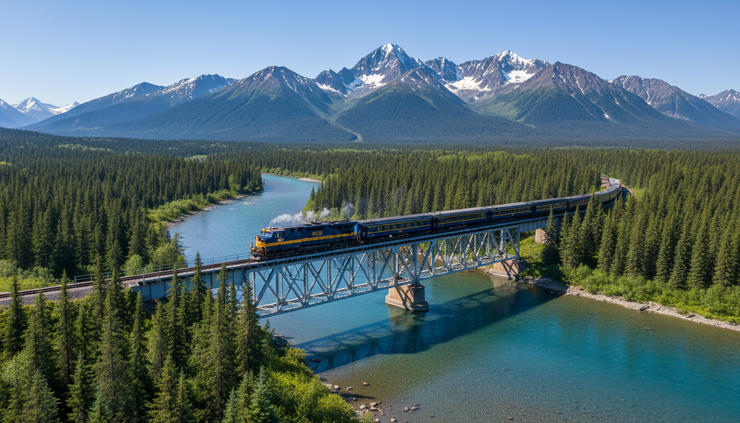
Alaska’s rail journeys are famous for a reason. Trains pass through places where roads may be limited or where the scenery deserves your full attention. Instead of watching the road, you can look out at rivers, forests, mountains, and broad valleys.
Rail travel pairs especially well with a cruise. Many travelers add a land portion before or after sailing, often including areas around Anchorage, Talkeetna, Denali, or Fairbanks. This kind of trip gives you two versions of Alaska: the coastal world of fjords and glaciers, and the interior world of vast forests, wildlife, and mountain views.
A rail journey also adds a sense of occasion. It feels slower in the best way. You settle in, watch the land shift, and let the trip unfold mile by mile.
Road trips offer freedom and quiet discoveries
For travelers who like more independence, an Alaska road trip can be deeply rewarding. Driving routes near Anchorage, the Kenai Peninsula, Denali, and parts of the interior offer access to trailheads, viewpoints, small towns, and local restaurants.
A road trip lets you pause for the unexpected. Maybe the clouds lift over a mountain pass. Maybe a moose appears near a pond. Maybe a roadside stop turns into your favorite photo of the whole vacation.
The distances can be long, and services can be spread out, so planning matters. Build in extra time. Alaska rewards travelers who do not pack every hour.
Alaska works for many kinds of travelers
One reason Alaska is so appealing is that it can be shaped into very different trips. It is not only for extreme adventurers or experienced hikers. It can be comfortable, active, educational, romantic, quiet, or all of the above.
For nature lovers, Alaska offers glaciers, wildlife, forests, tundra, and coastlines in one trip. For photographers, the light and scale are hard to beat. For families, the mix of boats, trains, animals, and hands-on excursions keeps each day fresh. For couples, lodges, cruises, and scenic drives create a strong sense of escape.
Travelers who usually love weekend getaways may find Alaska especially exciting because it stretches that same spirit into something bigger. Charming towns, local food, scenic viewpoints, and hidden gems still play a part. The difference is the backdrop. A harbor town in Alaska may come with fishing boats, mountain peaks, and seals in the water.
Some travelers want luxury. Others want simplicity. Alaska can accommodate both. You can book a balcony stateroom, a wilderness lodge, a guided bear-viewing trip, a flightseeing tour, or a cozy cabin stay. You can also keep things simple with day cruises, public trails, museums, and local dining.
The best Alaska itinerary does not try to do everything. It chooses a few strong experiences and leaves room to breathe.
Timing your Alaska trip makes a big difference
Most first-time visitors travel between late spring and early fall, when cruise ships run, wildlife viewing is active, and long daylight hours make it easier to explore. Summer brings the most options for tours, lodging, rail service, and outdoor activities.
Each part of the season has its own feel.
Early season can bring snow on the mountains, fewer crowds, and a fresh sense of spring. Mid-summer offers long days and the widest range of activities. Late summer and early fall can bring fall colors in some areas, active wildlife, and a quieter mood as the season winds down.
Winter is a different kind of Alaska trip. It is best for travelers who want northern lights possibilities, snowy scenery, dog sledding experiences, and a colder, quieter adventure. It takes more planning, but it can be remarkable.
Packing also matters. Alaska weather can change quickly, especially near the coast. A sunny morning can become a rainy afternoon, then clear again by dinner. Layers are your friend.
A practical packing list might include:
A waterproof jacket
Comfortable walking shoes with good grip
Warm layers, even in summer
Binoculars for wildlife viewing
Sunglasses and sunscreen for bright days
A small daypack for excursions
A camera or phone with plenty of storage
Do not let the weather scare you away. Some of Alaska’s most beautiful moments happen in mist, rain, and shifting light.
A travel advisor can make Alaska easier to plan
Planning Alaska can feel exciting at first, then quickly become overwhelming. There are cruise routes, ship sizes, rail add-ons, lodges, flightseeing tours, wildlife excursions, park visits, and seasonal details to sort through. The hardest part is often knowing what fits together well.
That is where a travel advisor can make a real difference.
A good advisor helps match the trip to the traveler, not the other way around. They can help you choose between a round-trip cruise and a one-way sailing with a land extension. They can explain the difference between ports, suggest the right pace, and help you avoid an itinerary that looks good on paper but feels rushed in real life.
They can also help with details that are easy to miss:
Which side of the ship may matter for certain routes
How much time to allow between a cruise and a flight
Which excursions need to be booked early
Whether a rail add-on makes sense for your schedule
How to balance guided time with free time
What travel insurance may cover
Personalized planning can save time and reduce stress, especially for a destination with so many moving parts. Instead of guessing, you get a plan that reflects your budget, comfort level, interests, and travel dates.
Alaska is not the place to overfill every day. It is the place to choose well, then leave space for wonder.

The adventure stays with you
Alaska has a way of turning a vacation into a story you keep telling. The details come back easily: the sound of ice calving, the first whale spout on the horizon, the train window framing a mountain, the smell of spruce after rain, the quiet of a bay at evening.
That is why Alaska belongs high on the list for anyone craving a trip with real impact. It offers comfort without losing its wildness. It gives you famous sights, but also surprising small moments. It can be grand, peaceful, active, and deeply personal in the same week.
If you are dreaming of a journey that feels different from the usual getaway, Alaska is ready. Start with the experiences that matter most to you, choose a pace that gives them room, and let the state do what it does best: make the world feel wide again.



Comments